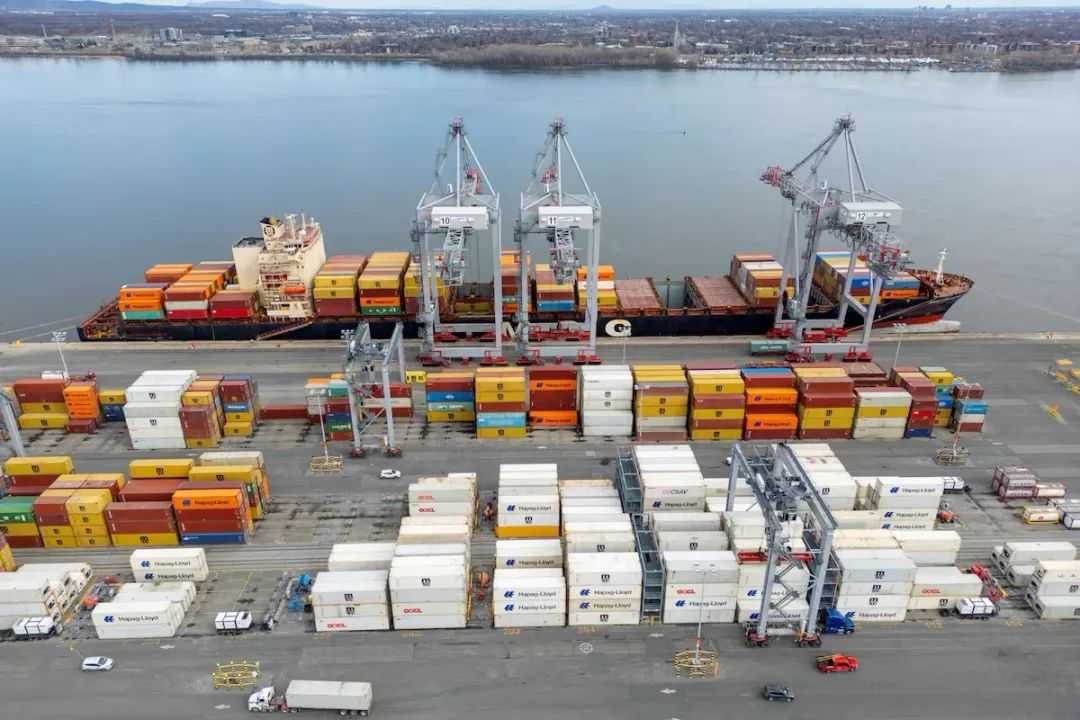
Canada is pushing faster trade diversification to fend off U.S. tariff impacts: its U.S. export share dropped 10 percentage points to 68% between May 2024 and May 2025, with auto parts and steel hit hardest. Over the period, U.S.-bound exports fell C$7.7 billion (-15%), while gains to the UK, EU, and Asia-Pacific (C$5.7 billion, +42%) failed to offset the gap.
Three key shifts mark the transition: gold and energy leading the push—May gold exports to the UK surged 473%, with crude, uranium, and pharmaceuticals emerging as growth drivers; a reshaped trade map—the UK overtook East Asia as Canada’s second-largest export market, with demand rising in 15 nations including Singapore and Indonesia; and inherent limits—no non-U.S. partner accounts for over 10% of exports, making "full U.S. replacement unrealistic," per Export Development Canada chief economist Peter Bergman.
The pivot stems from Trump’s successive tariffs: 50% on steel/aluminum (March) and 25% on autos (April), prompting Trudeau’s retaliatory tariffs and a "de-Americanization" strategy. PM Jagmeet Singh set July 21 as a negotiation deadline, threatening escalated countermeasures. Independent trade advisor Mike Chisholm notes a core dilemma: "Decades of deep U.S.-Canada supply chain ties can’t be untangled quickly." While Global Affairs Canada vows a "resilient economy," data reveals contradictions—soaring UK gold exports may reflect crisis-era safe-haven flows, and traditional goods like canola keep shrinking amid China trade frictions, highlighting structural hurdles in new market expansion.